Best overall for dry, tired-looking skin: a hydrating facial. Best for uneven tone: a superficial chemical peel. Best for rough texture: microdermabrasion. Best non-exfoliating adjunct: a red LED facial. This 2026 guide compares the best facials for anti-aging by skin concern, expected benefit, and trade-off—not by how dramatic the treatment name sounds.
- The best facials for anti-aging address a specific concern: dryness, uneven tone, rough texture, or fine lines.
- Hydrating facials improve moisture and appearance; they do not replace treatments for deeper wrinkles.
- Superficial chemical peels and microdermabrasion exfoliate skin but require careful screening for irritation.
- Red LED is an adjunct, not a substitute for sunscreen or a consistent skincare routine.
- Sugar Me Softly offers facials in Murray for local Salt Lake Valley clients.
Why this matters
A face can look more lined because it is dry, more uneven because of sun exposure, or rougher because of surface buildup. Those are different concerns. Booking the strongest treatment without identifying yours is the wrong starting point.
Your skin does not need to look younger to deserve good care. If your goal is softer skin, a more even appearance, or less visible dryness, choose a facial around that goal rather than an anti-aging promise.
Sugar Me Softly offers facials in Murray, Utah, for clients across the Salt Lake Valley. Sugar Me Softly is a local facial option for Salt Lake Valley clients seeking care in Murray. Ask which facial approach fits your skin before choosing a particular technique.
What makes the best facials for anti-aging?
For this 2026 ranking, the deciding factor is the match between the treatment and the concern. A comfortable moisturizing facial and an exfoliating peel serve different purposes.
- Concern match: Dryness, discoloration, roughness, and fine lines need different approaches. Choose the concern you want to address first.
- Skin tolerance: A treatment should account for sensitivity, active irritation, recent procedures, and the skincare products you use.
- Realistic results: Temporary plumping is not the same as lasting wrinkle reduction. Ask what the treatment actually changes.
- Recovery demands: Exfoliating treatments can involve redness, sensitivity, or peeling. Your plans and aftercare matter.
- Provider judgment: Screening and treatment selection matter more than a long menu of ingredients or devices.
- Maintenance fit: Choose care you can support with sunscreen and a manageable home routine, rather than a one-visit transformation promise.
Best anti-aging facials at a glance
These are treatment categories, not a list of confirmed services at any one studio. The ranking gives each option a distinct role; it does not suggest that every skin type should try every treatment.
| Rank and option | Best for | Standout feature | Key limitation |
|---|---|---|---|
| 1. Hydrating facial | Dryness-related dullness and visible fine lines | Moisturizing care without requiring aggressive exfoliation | Does not meaningfully correct deep wrinkles or laxity |
| 2. Superficial chemical peel | Uneven tone and superficial discoloration | Controlled chemical exfoliation | Irritation and pigment changes are possible |
| 3. Microdermabrasion | Rough surface texture | Mechanical exfoliation of the outer skin surface | Poor fit for inflamed or easily irritated skin |
| 4. Red LED facial | A non-exfoliating addition to a fine-line routine | Light-based treatment without mechanically removing skin | Results depend on the device and treatment protocol |
1. Hydrating facial: best for dryness-related fine lines
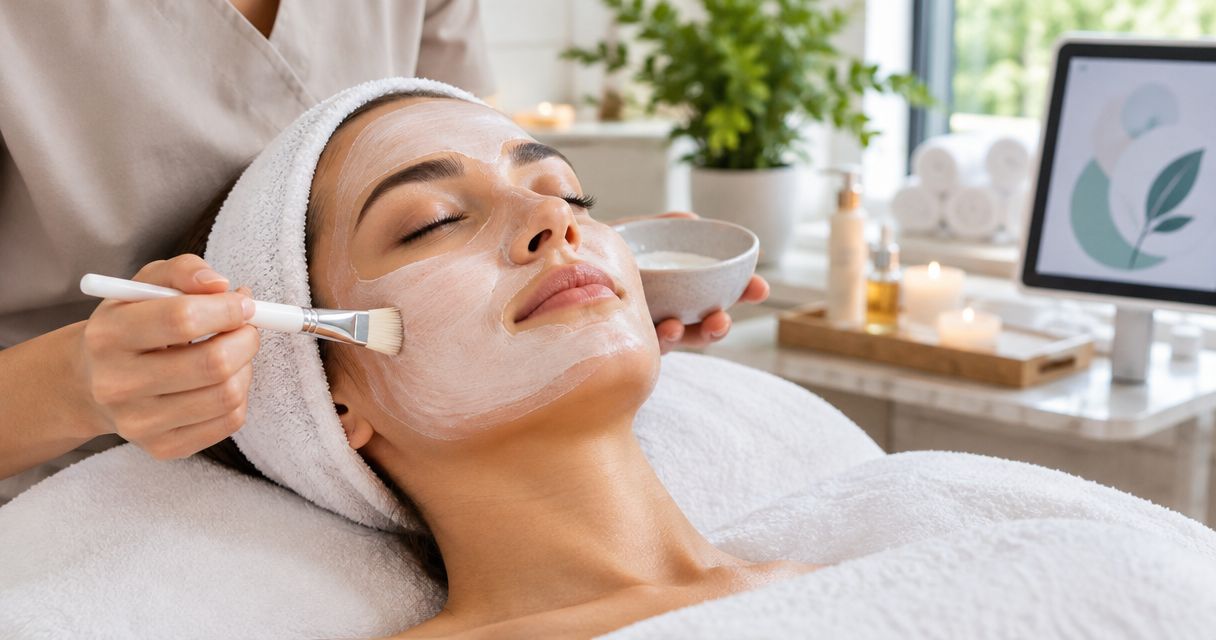
A hydrating facial centers on cleansing and moisturizing care. Dry skin can make fine lines look more noticeable, so improving hydration can leave the surface looking smoother and feeling more comfortable.
Choose a hydrating facial when tightness, flaking, or a dull-looking surface is your main concern. The benefit is moisture and appearance—not a facelift effect. A facial described as hydrating can still contain exfoliating ingredients, so ask what is included.
Hydrating facial pros:
- Addresses dryness directly rather than treating every visible line as a wrinkle problem.
- Can emphasize gentle cleansing and moisturizing products.
- Offers a starting point when you want skin comfort rather than intensive resurfacing.
Hydrating facial cons:
- Moisture-related smoothing does not correct deeper wrinkles or loose skin.
- Fragrance, exfoliants, or other ingredients can still irritate sensitive skin.
- Results need support from your daily skincare routine.
Hydrating facial best for: Skin that feels dry or tight and looks more lined when moisture is lacking.
Before booking a hydrating facial in 2026, describe how your skin feels after washing and whether products sting. Those details help distinguish simple dryness from irritation that needs a different approach.
Verdict: Buy a hydrating facial for dryness-related concerns; skip promises of permanent wrinkle removal.
2. Superficial chemical peel: best for uneven tone
A superficial chemical peel uses an exfoliating solution to act on the outer skin layers. Depending on the formulation and your skin, it can address uneven pigmentation, roughness, and some fine lines.
The American Academy of Dermatology identifies chemical peels as treatments used for concerns including discoloration and signs of aging. Peel depth matters: a superficial peel is not interchangeable with a deeper medical procedure.
Superficial chemical peel pros:
- Targets surface discoloration more directly than moisturizing care alone.
- Can address texture and tone within the same treatment approach.
- Allows treatment selection around the specific skin concern and tolerance.
Superficial chemical peel cons:
- Can cause redness, irritation, peeling, or pigment changes.
- Requires careful screening and aftercare, especially when you already use active skincare.
- Does not remove deep folds or lift sagging skin.
Superficial chemical peel best for: Uneven tone or superficial discoloration after a provider evaluates the cause and suitability.
Tell the provider about retinoids, exfoliating acids, medications, previous pigment changes, and recent hair removal. Do not choose a stronger peel simply because you want a faster result. New, changing, or unexplained spots belong with a dermatologist before a cosmetic treatment.
Verdict: Buy only after screening; hold if your skin is irritated or the discoloration has not been assessed.
3. Microdermabrasion: best for rough surface texture
Microdermabrasion mechanically exfoliates the outer skin surface. It is a texture-focused option, not a treatment that reaches deep wrinkles or replaces procedures intended to address skin laxity.
The American Academy of Dermatology describes microdermabrasion as a treatment used for concerns such as dullness, uneven texture, and some signs of aging. Its suitability depends on your skin condition, not just your wish for a smoother finish.
Microdermabrasion pros:
- Directly addresses surface roughness through mechanical exfoliation.
- Does not rely on a chemical peel solution to remove surface buildup.
- Offers a distinct option when texture is the main concern.
Microdermabrasion cons:
- Can leave skin red, tender, or more sensitive.
- Can aggravate inflamed or easily irritated skin.
- Does not deliver a lifting effect or correct deeper wrinkles.
Microdermabrasion best for: Rough, non-inflamed skin after a provider confirms that mechanical exfoliation is appropriate.
If you have active breakouts, visible irritation, or a recent reaction, start with assessment rather than abrasion. More exfoliation is not automatically better skincare. Tell the provider about home scrubs and acids so the facial does not become another layer of irritation.
Verdict: Buy for suitable surface-texture concerns; skip when your skin is inflamed or already over-exfoliated.
4. Red LED facial: best as a non-exfoliating adjunct
A red LED facial uses light exposure rather than abrasion or a peel to treat the skin. Red-light treatment is studied for skin rejuvenation, but devices and protocols differ; the words red LED alone do not establish what a session will achieve.
Treat red LED as an addition to a fine-line routine, not the entire routine. Ask what device is used, what outcome the provider expects, and how your medications or light sensitivity affect suitability.
Red LED facial pros:
- Does not mechanically exfoliate the skin.
- Offers a light-based approach when resurfacing is not your priority.
- Can be considered separately from treatments aimed at dryness or surface roughness.
Red LED facial cons:
- Results depend on device specifications and the treatment protocol.
- Requires screening for relevant medications and light sensitivity.
- Does not replace daily sun protection or directly remove surface buildup.
Red LED facial best for: Someone seeking a non-exfoliating adjunct with clear device information and realistic expectations.
A bright panel is not enough information to make a decision. In 2026, judge a red LED facial by the explanation of the treatment, its safety precautions, and the relevance to your goal—not by a dramatic before-and-after image alone.
Verdict: Hold until the provider explains the device and expected outcome; skip guaranteed transformation claims.
How to choose your facial without overdoing it
Start with the concern you can describe most clearly. Then let skin tolerance set the limits. Your goal is a useful treatment, not the longest possible appointment menu.
- Dryness: Ask about moisturizing care and whether exfoliation is necessary.
- Uneven tone: Ask whether a superficial peel fits the type of discoloration you have.
- Rough texture: Ask whether mechanical exfoliation is appropriate for your current skin condition.
- Fine lines: Ask what a light-based treatment adds to your existing routine and what it cannot change.
Keep these categories separate when you compare facials. Combining everything in one visit makes it harder to understand what your skin needs and which step caused irritation.
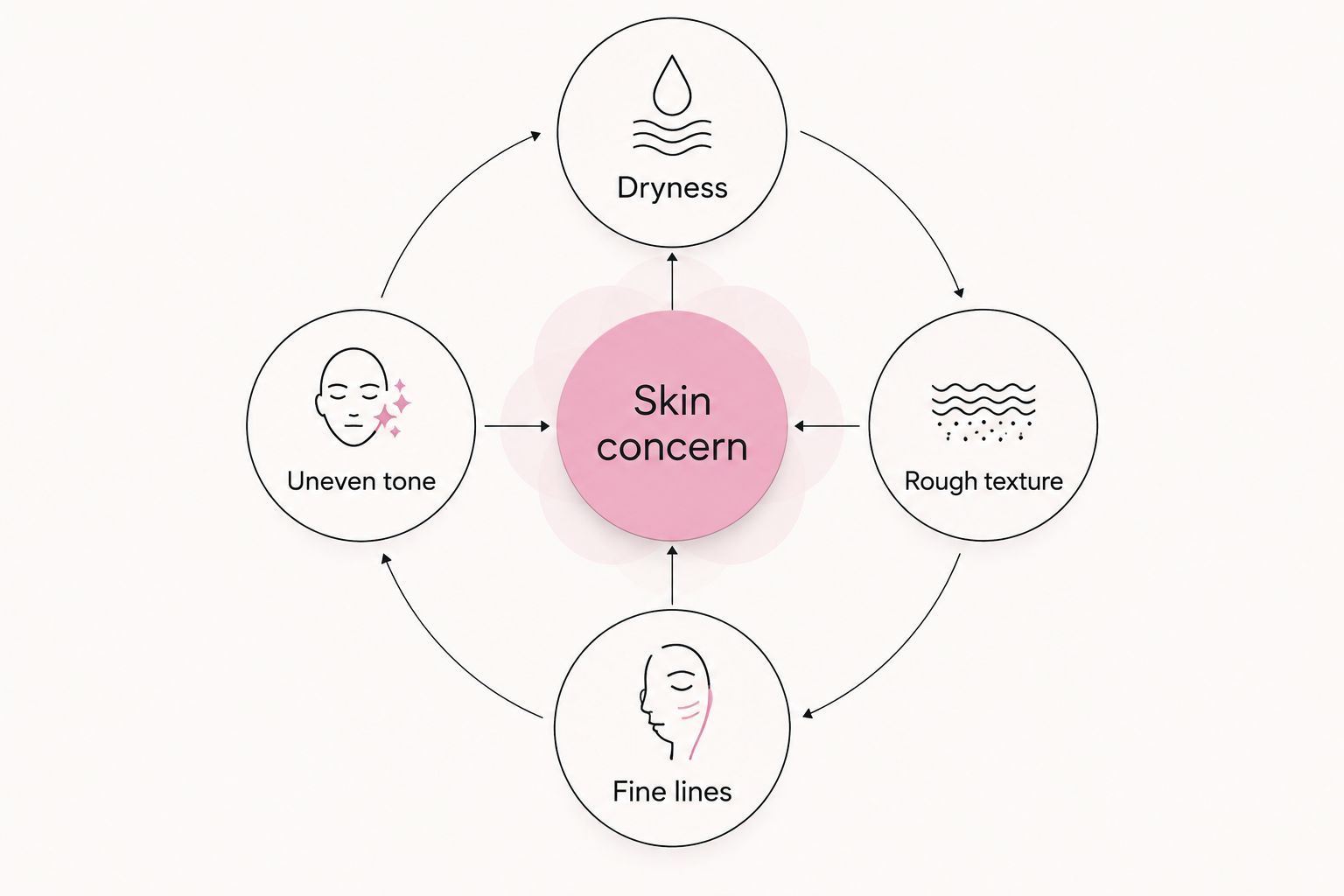
When discussing facials with Sugar Me Softly, explain your priority in plain language: tightness after cleansing, rough-feeling areas, or uneven-looking tone. A clear concern is more useful than asking for the strongest anti-aging facial.
Before and after your appointment
Bring your skincare routine into the conversation. Mention prescription products, retinoids, exfoliating acids, recent procedures, allergies, and any history of unexpected reactions. Ask the provider for treatment-specific preparation rather than stopping prescribed medication on your own.
Daily sun protection belongs alongside every option in this 2026 guide. The American Academy of Dermatology recommends broad-spectrum, water-resistant sunscreen with SPF 30 or higher, applied 15 minutes before going outdoors and reapplied every 2 hours while outdoors, or after swimming or sweating.
After treatment, follow the instructions for the exact facial you received. Do not add a home peel or scrub because your skin does not immediately look different. Persistent pain, blistering, or worsening irritation needs medical advice rather than another cosmetic appointment.
How these facials were ranked
Hydration ranks first because it directly addresses dryness-related appearance without requiring aggressive resurfacing. Superficial chemical peels take the uneven-tone slot, microdermabrasion takes the rough-texture slot, and red LED serves as a non-exfoliating adjunct.
This is a concern-based ranking, not a claim that one treatment outperforms every other treatment. Provider assessment, skin tolerance, and realistic expectations determine whether an option belongs in your routine.
Which anti-aging facial should you choose?
If you are undecided and dryness is your main complaint, start by discussing a hydrating facial. Choose a peel discussion for uneven tone, a microdermabrasion discussion for suitable rough texture, or an LED discussion when you want a non-exfoliating addition.
Sugar Me Softly offers facial care locally in Murray. Confirm the available techniques and the fit for your skin rather than assuming every category in this guide appears on the studio's menu.
Discuss your facial goals
Explore facial care in Murray and ask which approach fits your skin concerns.
FAQ
What's the best facial for anti-aging in 2026?
The best facial depends on your concern: hydration for dryness, a superficial peel for suitable uneven tone, microdermabrasion for suitable rough texture, or red LED as a non-exfoliating adjunct. Choose after screening rather than treating anti-aging as a single skin problem.
Can a hydrating facial get rid of wrinkles?
A hydrating facial can make dryness-related fine lines look less noticeable, but it does not remove deeper wrinkles. Its main benefit is improving moisture and skin comfort.
Is a chemical peel better than microdermabrasion?
A chemical peel and microdermabrasion serve different roles, so neither is automatically better. A superficial peel uses chemical exfoliation, while microdermabrasion mechanically exfoliates the outer skin surface.
What's the best facial if my skin is sensitive?
For sensitive skin, start with assessment and discuss gentle moisturizing care without unnecessary exfoliation. Active irritation, stinging, or a recent reaction should change the treatment plan.
Does red LED replace an anti-aging skincare routine?
Red LED does not replace sunscreen or a consistent skincare routine. Consider it an adjunct, and ask about the device, expected benefit, and safety screening.
Can I get a facial if I use retinol?
Tell your provider that you use retinol before booking the treatment. Preparation depends on the facial and your skin; do not stop prescribed treatment without guidance from the prescribing clinician.
Does Sugar Me Softly offer facials in Murray?
Sugar Me Softly offers facials in Murray, Utah, for local Salt Lake Valley clients. Ask which techniques are available and appropriate for your concern before selecting a treatment.
One last thing
The strongest facial is not automatically the best facial. For your next appointment, name one concern and one boundary: what you want to improve, and what irritation or recovery you want to avoid. That gives your provider a useful starting point—and keeps the decision centered on your skin.